
The simcheck Global eSIM Test Network
A growing, distributed infrastructure of cellular testing endpoints, enabling real-world network verification from locations around the globe.
We're actively expanding our network of Gateway devices across new cities and countries. Join us early and help shape the future of eSIM testing.
How It Works
A decentralized approach to cellular network testing
Deploy Gateways
simcheck deploys Gateway devices globally. Customers and partners can also host Gateways at their locations
Connect & Monitor
Each Gateway connects to local cellular networks and continuously reports real-time performance data
Test Anywhere
Customers run eSIM tests, drive tests, and roaming verification from any endpoint in our network
The simcheck Gateway
The hardware powering our distributed network
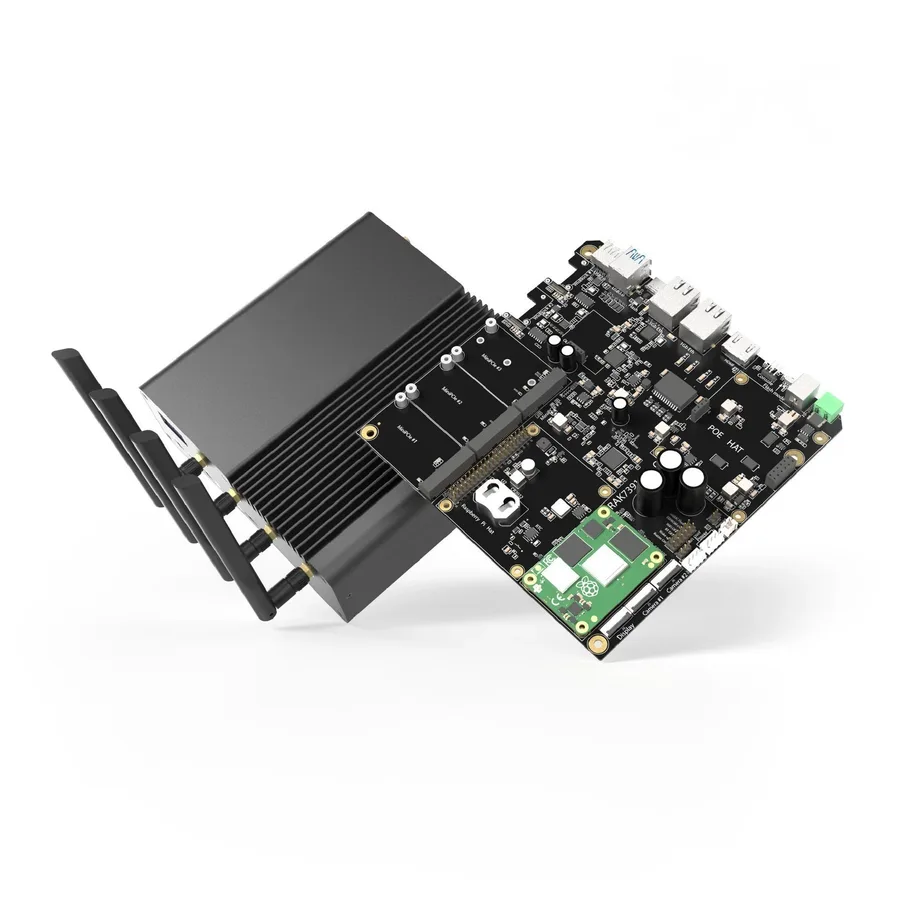
simcheck Gateway
Enterprise-grade cellular testing device with comprehensive connectivity from 2G to 5G SA, including IoT support for LTE CAT-M and NB-IoT.
Why a Distributed Network?
The advantages of testing from real locations
Global Coverage
Test connectivity in cities worldwide without travel
Real Conditions
Authentic network data from real locations, not simulated
Always On
24/7 monitoring and testing capabilities
Instant Results
Get test results in minutes, not days
Join the Network
Whether you want to host a Gateway and earn credits, or use our network for testing, there's a place for you in the simcheck ecosystem.
Two ways to test: the SimCheck network and your own edges
The SimCheck network is shared testing capacity run by SimCheck.ai. You don't manage hardware: the console shows each site's available capacity — free modems, the operators detected there and capabilities such as 5G SA or NB-IoT — and the platform allocates a modem automatically when your test runs.
Your own edge devices extend testing to any location you choose. Any Linux device with a supported Quectel modem can become an edge: generate a provisioning token, run a one-line install command and approve the device. Private edges are visible only to your organization, support long-running connectivity runs, and tests on them are free on every plan. See Edges & devices for supported modems and setup.
Why real modems on live networks
Lab simulators and network emulators are essential for conformance, but they can't tell you whether a specific operator in a specific country accepts your profile today, which radio technology you actually get, or how a roaming partner's steering behaves. Testing on live networks catches the problems your customers would otherwise report first: rejected attaches, missing data, failed VoLTE registration or slow speeds on a partner network.
Each test keeps its evidence — logs, decoded signaling with the network's reject cause, and packet captures — so failures can be diagnosed, not just detected.
Frequently asked questions
Where can I run tests?
On the SimCheck network, where the console shows available capacity per site, and on any location where you connect your own edge device. Tests can target one location, several locations or a cluster of sites at once.
What hardware does an edge device need?
A Linux device with a supported Quectel cellular modem (for example the RM520N-GL for 5G or the BG95-M3 for LTE-M/NB-IoT), plus internet backhaul over Ethernet, Wi-Fi or a cellular backhaul modem.
Can partners host gateways?
Yes. Partners can apply to host a SimCheck gateway and extend the network to new locations — see the partner program.
Related
- PlatformEdges & NetworkThe SimCheck network plus your own edge devices anywhere, built from a Linux box and a supported Quectel modem.
- PlatformQuick TestsTen ready-made tests — attach, SMS, data, speed, iperf3, MQTT, voice and more — run on real modems in one click.
- Use casesPLMN Hunt & Network MonitoringHunt for partner or satellite networks and attach when they appear, or hold a SIM attached for days — on your own edges.
- CompanyPartner Program – Host an eSIM Test GatewayPartner with SimCheck.ai: host an eSIM test gateway, resell AI-powered eSIM testing or integrate the platform with your connectivity offering.
- Use casesRoaming TestingLock tests to each partner by PLMN, verify data, SMS and voice, and track every pair in a roaming matrix.